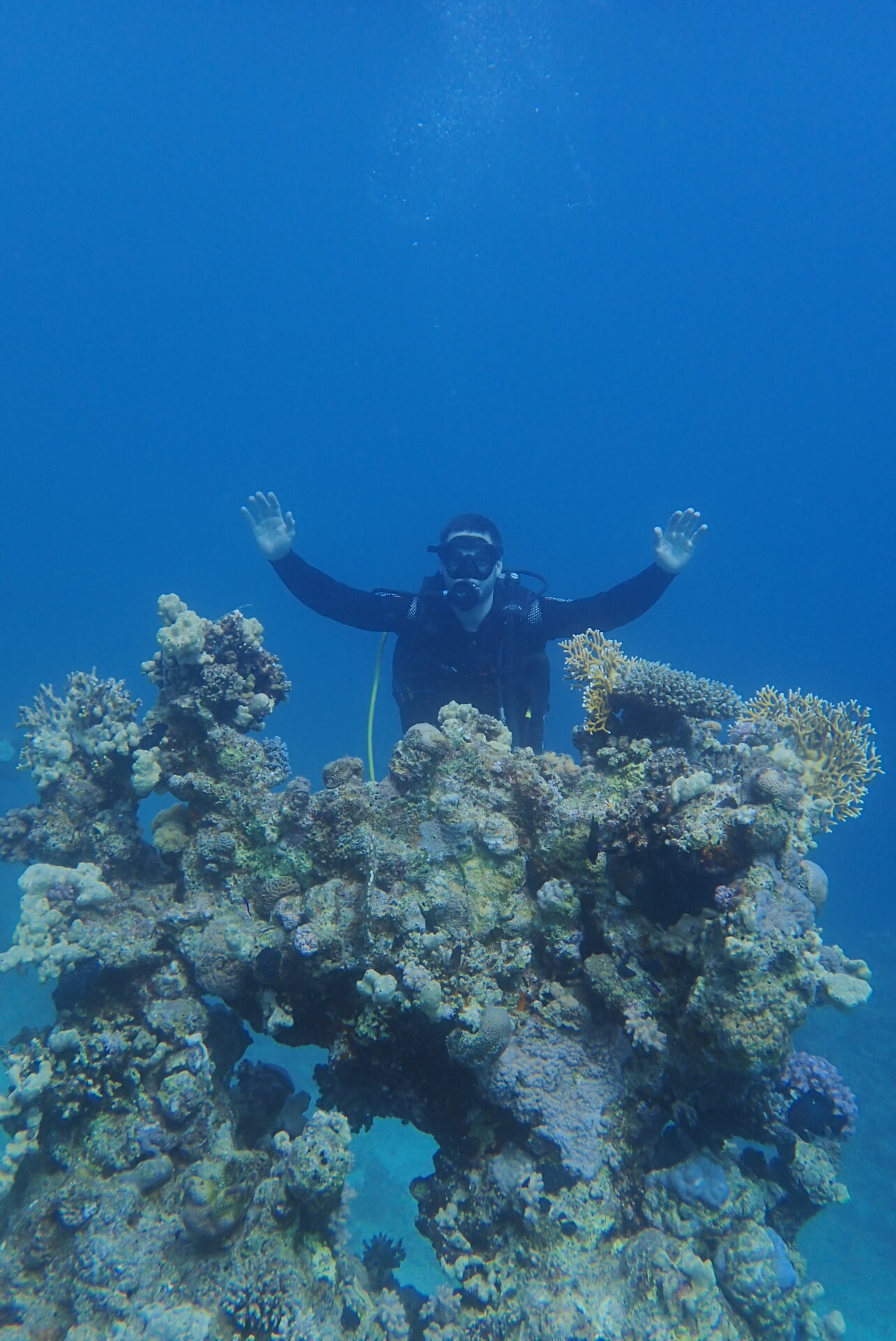
You’re on holiday, wandering on the beach and suddenly stumble across an incredible dive spot. The thought of exploring the underwater world starts to excite you. It’s something you’ve never done before, but it calls to you—so why not dive in, literally? Spoiler alert: once you begin scuba diving, you’ll be hooked, and every holiday will turn into an underwater adventure!
This post may contain affiliate links which means we may receive a commission at no cost to you if you make a purchase through a link.
- Certifications
- PADI VS CMAS
- What certification do you need to become a recreational diver on your holiday?
- How much does scuba diving cost?
- How to find a good dive center on your holiday
- Some FAQ's about scuba diving
- Good places for a first diving experience
- How to protect marine life as a tourist?
Certifications
First off, let’s get a bit of a reality check out of the way: Can you dive without being certified? Technically, yes, but honestly, not really. While you can do a “Discover Scuba Dive” experience with a certified instructor, this will only be in a pool or very shallow, calm waters. It’s a great way to dip your toes into the world of scuba, but if any company offers to take you down to 18 meters (60 feet) without proper certification, run the other way!
Diving at deeper levels without training can be dangerous. You’ll be dependent on your instructor for everything, and without knowledge of decompression and proper buoyancy control, you could harm yourself or the marine environment.
So, let’s say you’ve tried the Discover Dive and are ready to dive deeper. Getting certified is the next step, and it’s your ticket to safely explore dive sites worldwide.
PADI VS CMAS
The 2 best known different types of certification agencies are PADI (Professional Association of Diving Instructors) and CMAS (Confédération Mondiale des Activités Subaquatiques). PADI is the more accessible and affordable option. But this of course, comes with its limitations. Here’s where you need to pay attention: Just because you get a PADI Advanced certification doesn’t necessarily mean you’re an experienced diver. You can achieve a PADI Advanced status after as few as 8-12 dives, but it doesn’t qualify you to dive unsupervised at any location (technically it does unfortunately)!
CMAS, on the other hand, is known for its more rigorous training and higher dive requirements for each certification level. So, while PADI is often the starting point for most, if you’re serious about diving as a long-term passion, it’s worth looking into the differences between certification agencies and what’s best for your goals.
However, since PADI is the most widely accessible certification globally and sufficient for those who just want to enjoy a few guided dives during their holidays, we’ll focus on PADI for the rest of this guide.

What certification do you need to become a recreational diver on your holiday?
To start your diving journey, you’ll need to get your PADI Open Water certification. This course qualifies you to dive up to 18 meters (60 feet), which is enough to give you a glimpse into the wonders of the underwater world.
The Open Water course includes both theory (which can be done during an online course), pool sessions where you’ll put the theory into practice, and four open water dives to complete your training.
If you want to avoid studying during your holidays, it’s possible to do the pool sessions and theory beforehand at home and finishing the open water dives abroad.
In many places, this certification is sufficient to dive with an instructor up to 18 meters. But, if you’re looking for a bigger challenge, I highly recommend getting your PADI Advanced Open Water certification. This allows you to dive up to 30 meters (100 feet), where you’ll often encounter some of the most fascinating marine life, like sharks and manta rays.
By obtaining the PADI Advanced certification, you’ll open the door to even more thrilling dive sites and experiences during your holidays! Apart from these courses, you have endless specialty courses like deep diving, cave diving, night diving where you can specialize in.
How much does scuba diving cost?
Scuba certification cost
The Open Water certification typically costs around €500, while the Advanced Open Water course is around €300. However, if you’re looking for a budget-friendly option, Southeast Asia is the place to go. Koh Tao, in Thailand, is famous for being one of the cheapest and best spots to learn how to scuba dive.
Be mindful that there’s an expiration date of your certification! After one year without diving, you are required to take a refresher course before you go diving again to ensure your safety.
Dive equipment costs
If you’re only diving recreationally, there’s no need to invest in your own scuba gear. Most dive trips include equipment like wetsuits, tanks, masks, and fins in the price. I’ve never purchased my own wetsuit since it depends on the water temperatures of the locations you dive, and it’s not practical to lug it around in a suitcase if you’re diving occasionally.
One key piece of gear you may want to buy is your own scuba mask. Since rental masks are used by many divers, having your own can be more comfortable and hygienic. Plus, it’s great for snorkeling on your own! I also have a small bottle of baby shampoo with me as it is the best scuba mask defogger.
A dive computer is important but can also be rented from the local dive shop for a small daily fee.


Dive Trip costs
Dive trips vary in cost depending on location and whether you’re diving in a protected marine park. On average, the total cost of a day trip (which normally includes 2-3 dives) will be around €120. However, if you’re diving in a national park, there may be additional fees for park entry.
If you’re up for a liveaboard where you’ll do 3-4 dives a day, the budget depends on how many luxury you’d like.
Scuba Diving Insurance
Scuba diving often isn’t covered by standard travel insurance, as it’s classified as an extreme sport. Be sure to check if your current insurance policy includes coverage for diving incidents. If not, many dive centers offer the option to purchase specific diving insurance for the days you’ll be diving with them.
How to find a good dive center on your holiday
- Check reviews online: Look at how long the dive center has been operating and read reviews to see if past guests were satisfied with the services. Pay attention to comments about professionalism of the scuba instructors, the staff’s communication skills, and safety standards.
- Choose a certified dive center: Ensure the dive center is certified by recognized organizations like PADI, CMAS, or NAUI for example. This guarantees the center meets international safety standards and offers certification courses for all levels of divers.
- Inspect equipment quality: When booking your dive trip, you’ll have to try some equipment: wetsuits, scuba fins, BCDs, weight belts, and masks. Always pay attention whether the equipment seems well-maintained and in good condition.
- Location of dive sites: Select a dive center close to the sites you’re interested in. This minimizes extra transport costs and maximizes your time spent diving.
- Don’t opt for the cheapest option: While budget-friendly travel is appealing, safety should never be compromised. If one dive center is significantly cheaper than others, question why. They may cut costs by using lower-quality equipment, transport or have less experienced staff. Prioritize safety and comfort over savings.
Some FAQ’s about scuba diving
Can you scuba dive after flying?
Diving after flying is generally not a concern. However, flying after scuba diving is where caution is needed. The primary issue is the risk of decompression sickness, which can occur if a diver ascends to high altitudes too soon after being underwater. Especially after a diving liveaboard, where your body is tired and low in oxygen, make sure to respect the safe time!
What is decompression illness?
Decompression sickness happens when nitrogen bubbles form in the bloodstream and tissues due to a rapid decrease in pressure. This can occur after diving because, during a dive, your body absorbs nitrogen from the compressed air in your scuba tank. If you fly too soon after diving, the change in pressure from altitude can cause the nitrogen to expand too quickly, leading to decompression illness. Symptoms can include joint pain, dizziness, shortness of breath, and in severe cases, neurological damage.
Safe time between diving and flying?
A general rule is to wait at least 18 hours before flying after completing multiple dives. For a single, no-decompression dive, a wait of at least 12 hours is typically recommended.
What’s the role of a dive computer?
Modern dive computers play a crucial role in managing your dive safety. These devices monitor key factors such as depth, time underwater, and surface intervals, and they calculate your nitrogen saturation levels. They also provide guidance on decompression stops and will alert you if you’re ascending too quickly. Many dive computers also have built-in features to track the appropriate wait time before flying, ensuring you have enough time to safely eliminate excess nitrogen from your body and avoid the risk of decompression sickness.
Good places for a first diving experience
Good places to start as a beginning certified diver are of course south east asia, with koh tao as a good place to start your scuba lessons. Here you can become a certified scuba diver at the lowest cost possible. Another excellent destination is the Red Sea, having dive sites with clear visibility, calm currents in general. Check out PADI’s guide for the best beginner-friendly dive sites worldwide.
How to protect marine life as a tourist?
As divers, it’s essential to preserve the marine environment, for future generations. Here’s how to minimize your impact:
- Don’t leave anything behind: Pollution is a major threat to oceans, and marine debris destroys coral reefs and marine life. Be mindful not to drop anything, and always leave the ocean as you found it.
- Be respectful to marine life: While diving, you’re a guest in a delicate ecosystem. Avoid getting too close to marine animals like turtles or sharks, and don’t intrude with cameras or GoPros, as this can disturb their natural behavior.
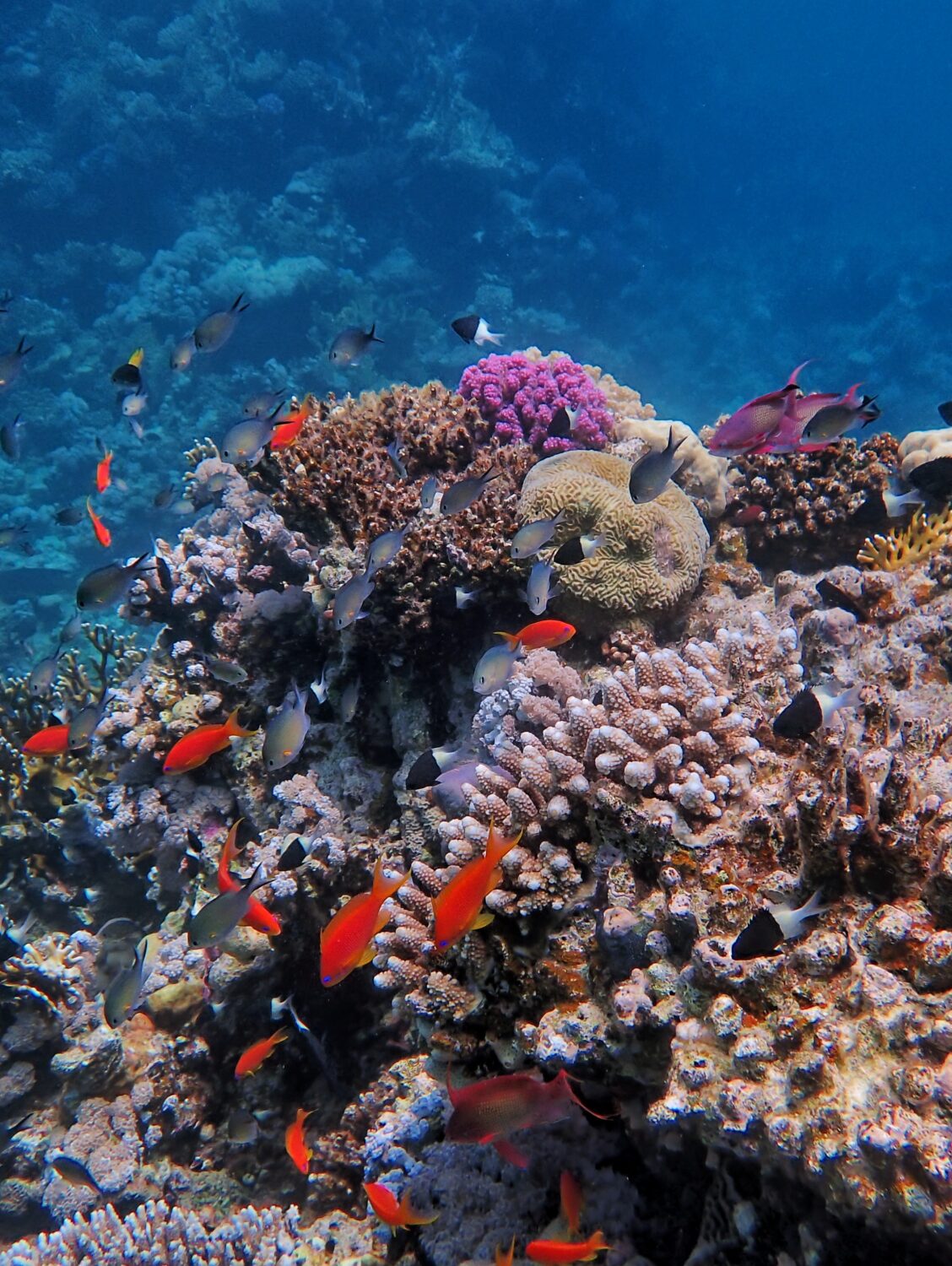
- Do not touch corals: Corals may look appealing, but touching them can cause damage. Only touch them if absolutely necessary for balance, and even then, use just one finger. Coral reefs around the world have been severely damaged by divers, resulting in large areas of bleached, dead coral.
- Learn essential buoyancy skills: Mastering buoyancy control will help you navigate the underwater world without causing unintentional harm. Poor buoyancy control often leads to divers accidentally kicking and damaging corals with their fins.
By diving responsibly, you can help protect and preserve the marine environments we all enjoy exploring. Are you Ready for that first dive?