
A scuba diving Komodo Island liveaboard used to feel as far out of reach as the bottom of the ocean as I used to be terrified of water. Yet, as they say, love knows no bounds, and my partner’s passion for the underwater world transformed one of my biggest fears into a compelling item on my bucket list.
Now, I won’t bore you with the full list of my underwater fails. Let’s just say I (still) have the ability to turn scuba diving lessons into poolside episodes involving more drinking than diving. But if I can do this, then let this be your sign if you’re still a bit unsure. Yes, it’s so worth it!
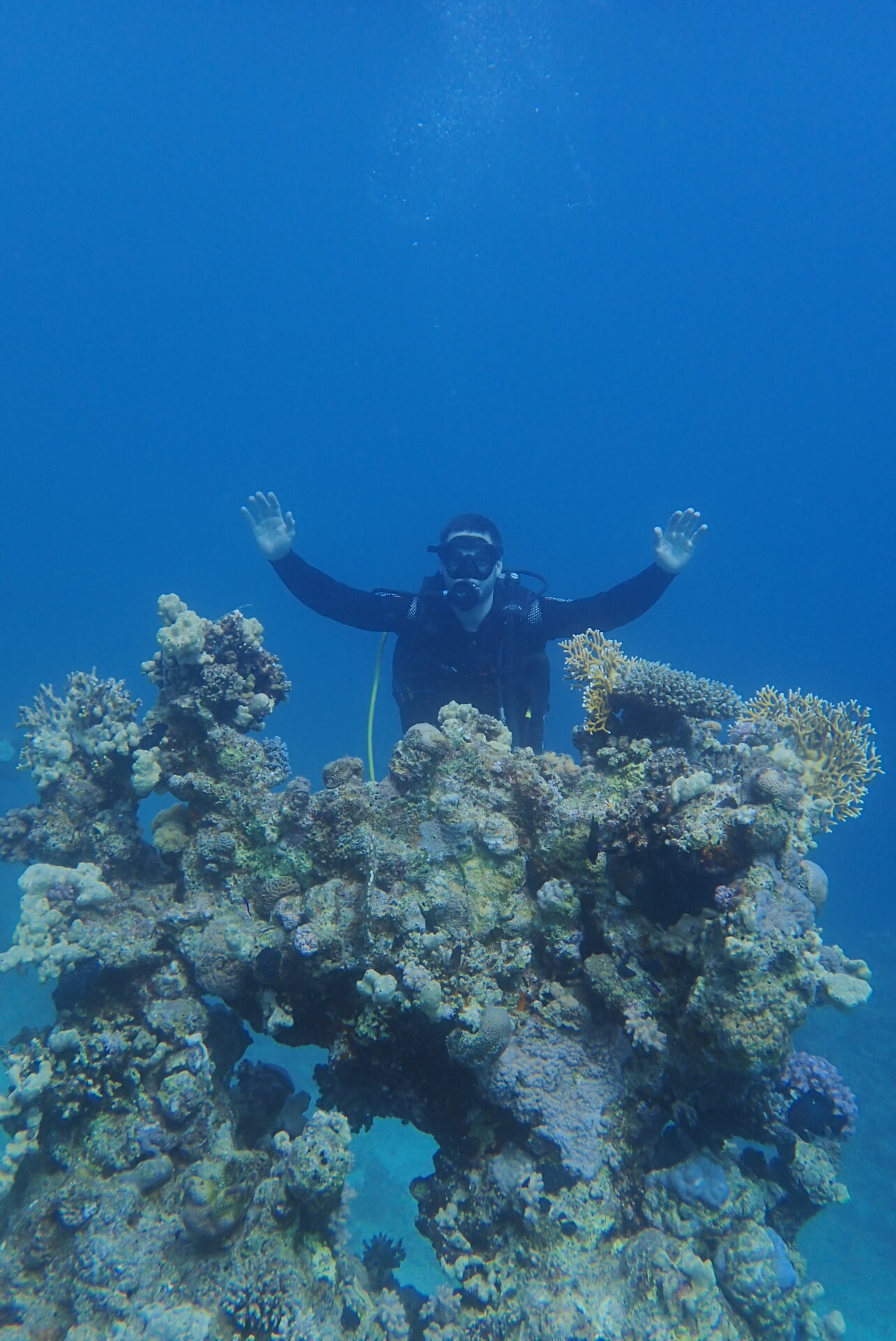
Fast forward two years, and there we were, standing at the edge of the Komodo Islands, wetsuits zipped, tanks on, ready to jump into waters I never thought I’d be brave enough to enter.
This post may contain affiliate links which means we may receive a commission at no cost to you if you make a purchase through a link.
Why scuba diving in the Komodo Islands?
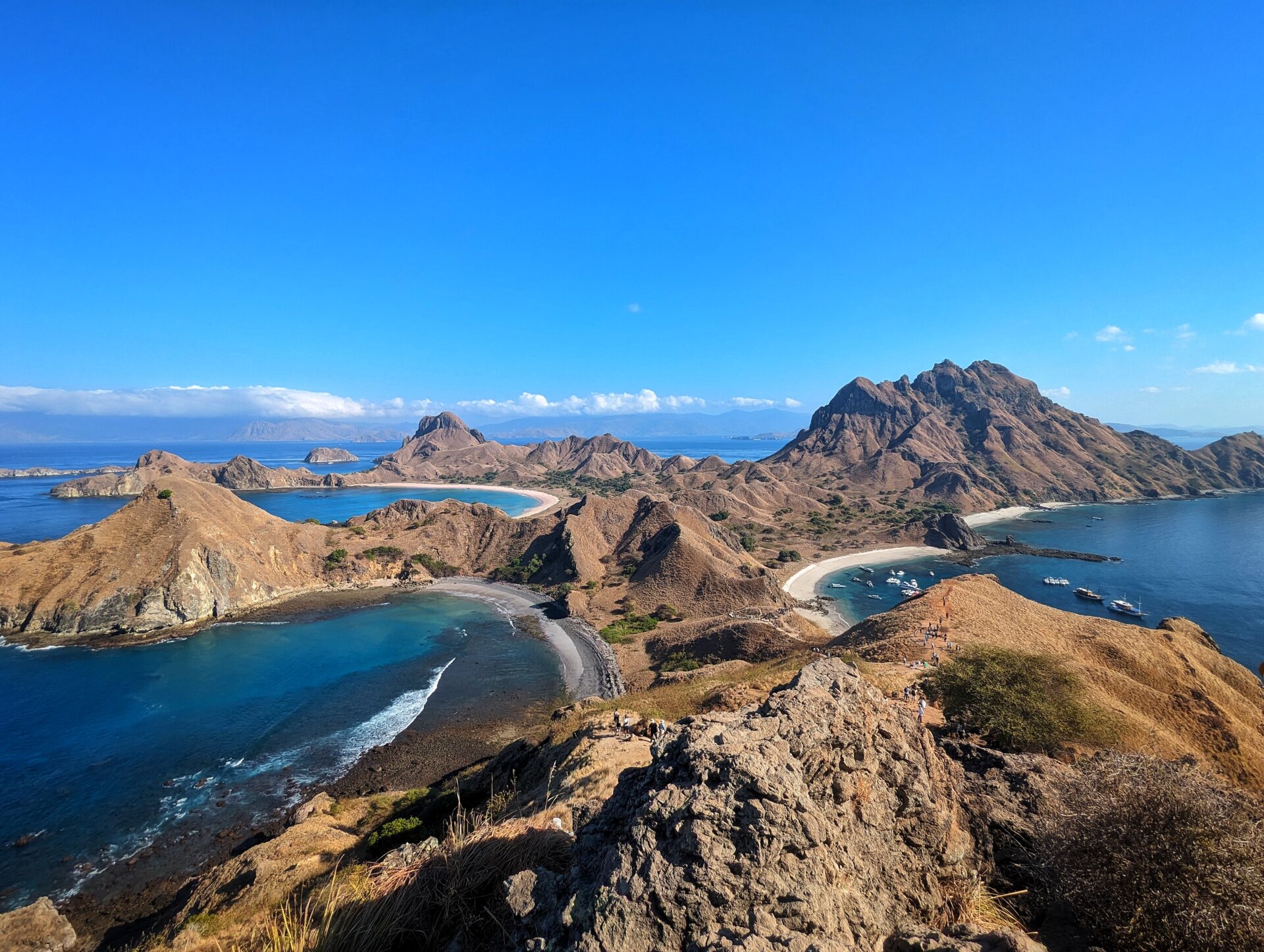
While the Komodo Islands itself have spectacular sightings, many divers will agree that the true magic lies beneath the surface. Renowned as world-class diving sites, the Komodo Islands are on the top of underwater enthusiasts bucketlists.
Despite the global challenge of coral bleaching the Komodo Islands still showcase some of the most colorful coral formations and marine life on the planet.
Being a wildlife conservationist, I often get the question why I would encourage tourist diving since it’s destroying the beautiful reefs. Well, my passion for marine life was born out of seeing these marvelous underwater world in the first place and I think it’s fair to encourage people to watch the beautiful nature around them and asking them to preserve it.
Moreover, scuba divers will most likely keep scuba diving, but if we make people aware about more sustainable diving then we could level up our game.
 Want to develop your diving skills and devote some of your time to contribute to marine research and coral restoration? There are plenty of marine conservation organizations all around Indonesia who offer this!

How to get to Komodo Island?
Wondering how to make your way to the Komodo Islands? Here are your options:
1. Fly to Labuan Bajo, Flores:
The most common and convenient way is to catch a 1-2 hour flight (depending on your location in Indonesia) to Labuan Bajo, located in Flores and considered the gateway to the Komodo Islands.
Labuan Bajo is well-connected by domestic flights, and this is your epicenter for Komodo Island trips.
2. Boat from Lombok or Bali:
You can also opt for a boat ride from either Lombok or Bali to the Komodo Islands. It will take you several days to get there so you’ll be on a unique 4 days/3 nights Komodo Island cruise experience, allowing you to visit key spots on your way to Labuan Bajo.
3. Ferry + Bus Combination:
A less comfortable but viable option involves a ferry and bus combination. It might not be the most luxurious, but it’s an adventure in itself.
Best time to dive in Komodo National Park
The optimal time for a liveaboard diving experience in Komodo National Park is from May to October, during the dry season.
For those seeking the green landscapes of the Komodo Islands, May and June are particularly recommended.
Conversely, the period from December to March marks the rainy season, bringing potentially challenging diving conditions.
Despite the seasonal variations, the water temperature remains consistently comfortable at around 29 degrees throughout the year.
Costs of a diving liveaboard in Komodo National Park
For the adventurers seeking extraordinary experiences without breaking the bank, a scuba diving Komodo island liveaboard tour with Blue Marlin Komodo is a comfortable choice.
When selecting a dive operator, it’s crucial to delve into their safety measures, equipment quality (check for reviews), and commitment to sustainable practices or collaborations with marine conservation researchers.
Now, the burning question: How much did our 4 days/3 nights diving liveaboard in Komodo cost? Let’s break it down:
- Diving trip with 11 dives (including diving gear) and Rinca trekking: 700 euros
- PADI Advanced Course: 230 euros
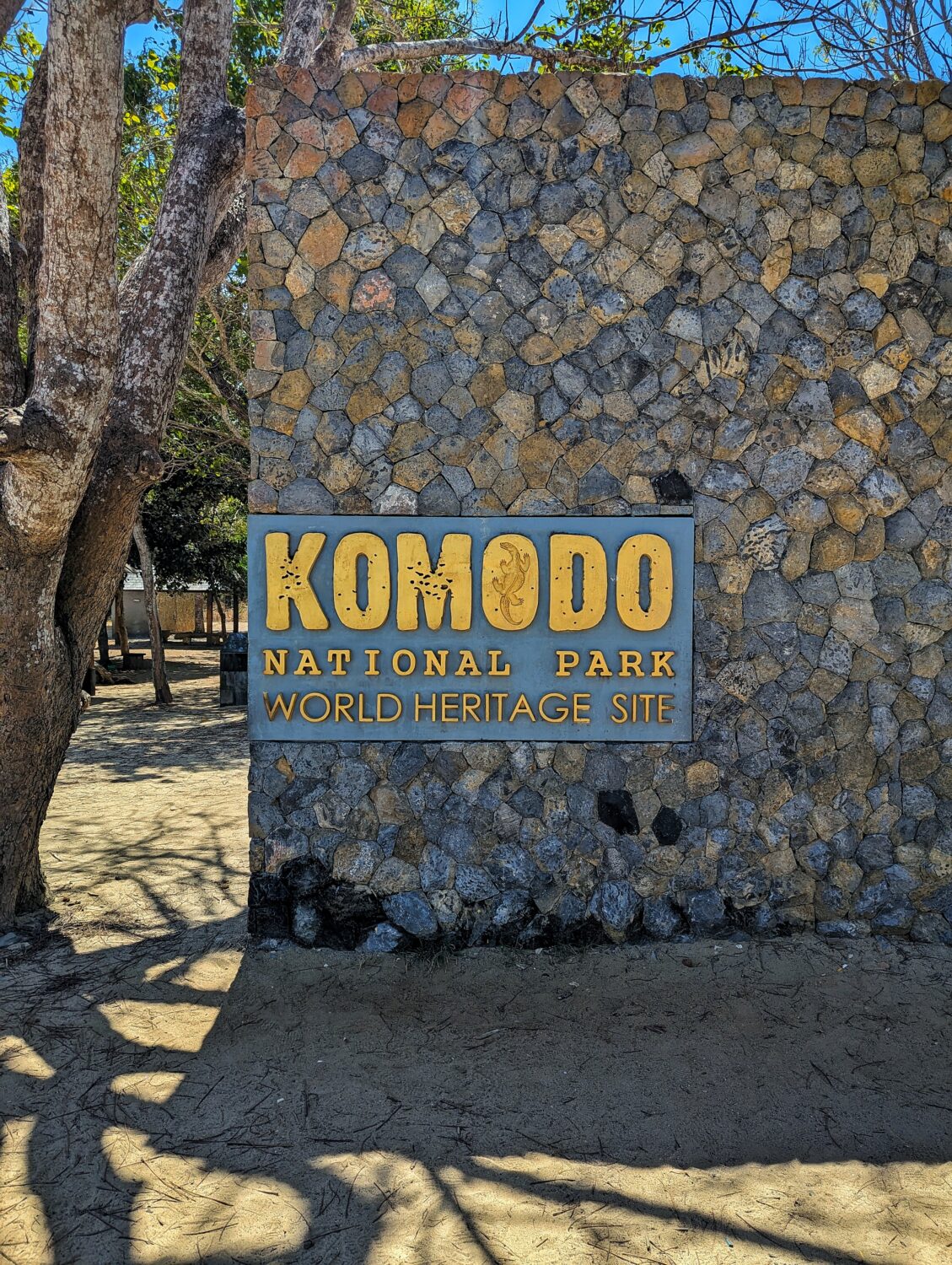
- Daily Komodo National Park entrance fee for 4 days: 60 euros

The entire experience came to a total cost of 1000 euros. We didn’t have a private cabin though. As night fell, the staff arranged pillows and mattresses on the deck, allowing us to sleep beneath the stars.
During our stay, we were treated like royalty. The staff generously provided oxygen with full tanks around 230-250 bars, enabling dives lasting more than an hour each time. As our guide put it, “Eat, dive, sleep, repeat” became the mantra of our days aboard the liveaboard.
Being PADI Advanced certified is a prerequisite due to strong currents in the Komodo Islands. If you lack this certification, search for companies who offer options to complete the course during the liveaboardA scuba diving Komodo island tour: dive sites
During our 4 days and 3 nights diving expedition, we explored a total of 11 dive sites situated in the central and southern regions of Komodo National Park.
Throughout our underwater journey, we encountered a diverse array of marine life, including various fish species, turtles, white and black-tipped reef sharks, and the majestic black and white manta rays, all surrounded by breathtaking coral formations.
Here’s a glimpse of our dive itinerary:

Day 1:
- Siaba Besar
- Waenilu (night dive)
Day 2:
- Mawan (drift dive): The currents can be intense, but the upside is a higher chance of shark encounters!
- Siaba Kecil: A personal favorite with millions of fish and stunning corals.
- Batu Bolong
Day 3:
- Castle Rock
- Cauldron: Dubbed the ‘shotgun.’ Divers can turn around, hold onto the corals (only with one finger!), and let go together, simulating the sensation of a real shotgun blast.
- Crystal Rock: A rare spot where unicorn fish interact with divers, enjoying the bubbles. Turning upside down, you can witness their little eyes relishing the bubble massage, it’s one of the cutest things I’ve ever seen!.
- Makassar Reef or Manta Point: Unfortunately impacted by popularity, this was once a manta feeding station, now showing signs of broken and bleached corals.
Day 4:
- Tatawa Kecil
- Tatawa Besar: The most beautiful dive site in Komodo if you ask me. The corals were amazing!
→Ready to explore more world-class diving spots in South East Asia? Check out our article on diving in the Similan Islands, Thailand!