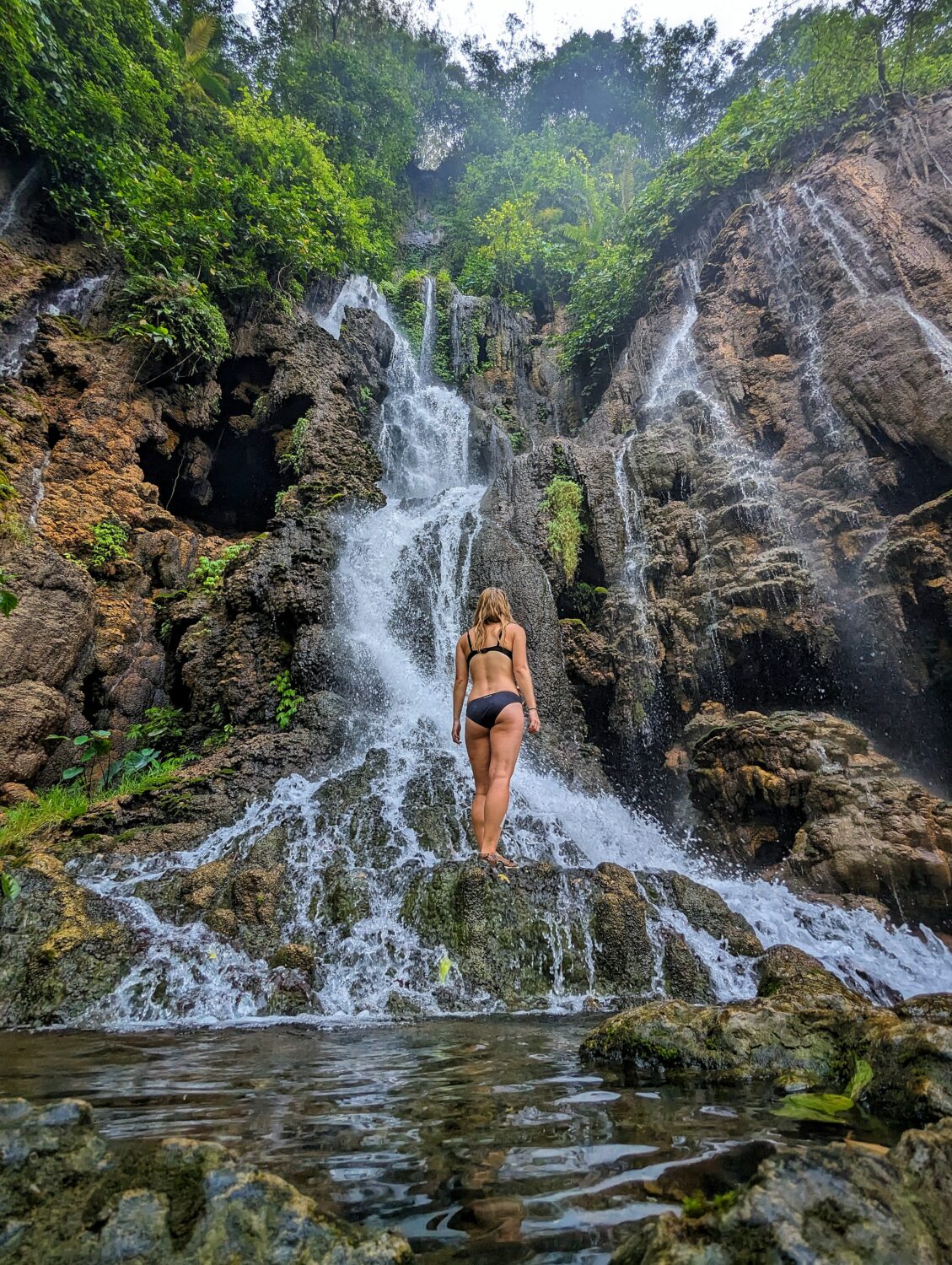

Once you’ve explored Indonesia’s underwater world, you quickly realize how fragile it all is, and why it’s so important to protect it.
Careless tourism, from touching corals to using harmful sunscreen, has caused serious damage, with entire reef systems struggling to survive.
But there’s some good news! By making a few simple changes to the way you snorkel, you can help preserve these reefs for future generations to enjoy!
So, are you ready to snorkel without leaving a trace? Let’s dive into how you can enjoy the Indonesia’s best snorkeling spots while protecting the vibrant marine life beneath the surface.
This post may contain affiliate links which means we may receive a commission at no cost to you if you make a purchase through a link.
Why Indonesia has some of the best snorkel sites in the world
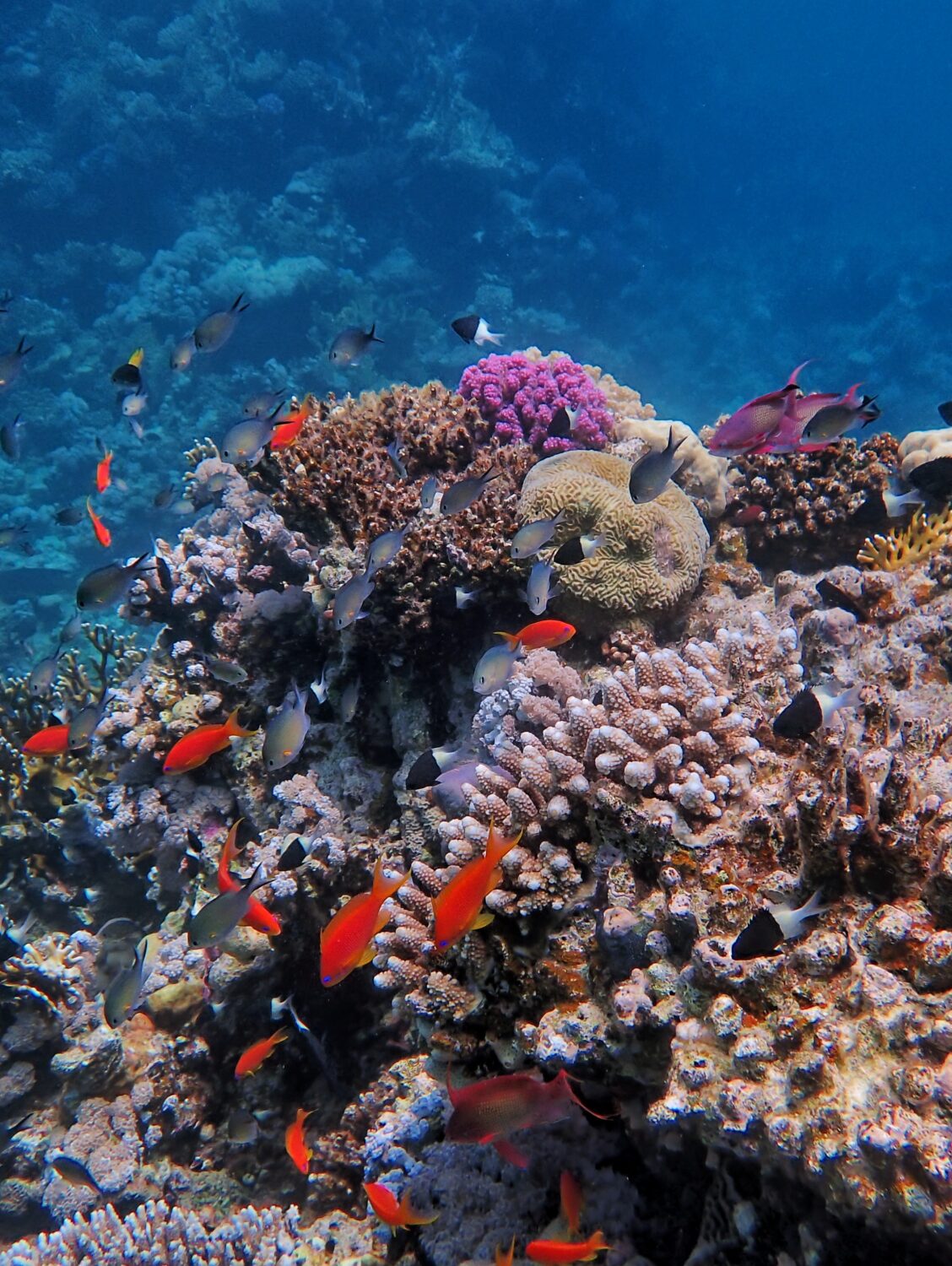
Indonesia is located at the very heart of the Coral Triangle, a region that includes the Philippines, Malaysia, Solomon Islands, Timor-Leste, and Papua New Guinea. This area in Southeast Asia is crucial to marine life as it holds the richest diversity of corals and marine animals on the entire planet!
6 out of 7 threatened turtle species are present here and 76% of all the coral species can be found in these waters.

Local communities situated in this area, rely heavily on these healthy ecosystems for their livelihoods, particularly through fishing and tourism. As a tourist, being aware of the delicate balance between tourism and local dependence on these reefs can give you a fresh perspective on responsible snorkeling.
Snorkeling with care does not only help to preserve these ecosystems but also supports the people who depend on them!
What are Indonesia’s best snorkeling spots?
Although you have endless snorkel opportunities in Indonesia, here are a few of the best known spots:
1.Nusa Penida
Just off the coast of Bali, Nusa Penida island offers some of the most thrilling snorkeling experiences in Indonesia. Crystal bay’s most famous site is Manta Point.
It’s famous for its manta ray feeding stations, where snorkelers and divers can witness these gentle giants gliding through the water. If you’re incredibly lucky, you might also spot a sunfish (mola mola).
 Due to the currents, the water temperatures around Nusa Penida can be surprisingly chilly, so be prepared for cooler temperatures compared to other snorkeling destinations in Indonesia.

2. Gili islands
Located off the northwest coast of Lombok, the Gili Islands, Gili Trawangan, Gili Meno, and Gili Air, are well-known for their laid-back vibe and crystal-clear waters perfect for snorkeling. One of the most famous snorkeling spots is the underwater statue site near Gili Meno, where you’ll find unique sculptures and different species of reef fish.
For those eager to spot turtles, the Gilis are a great place to dare your chances. Go very early in the morning to avoid peak hours!
3. Komodo National Park
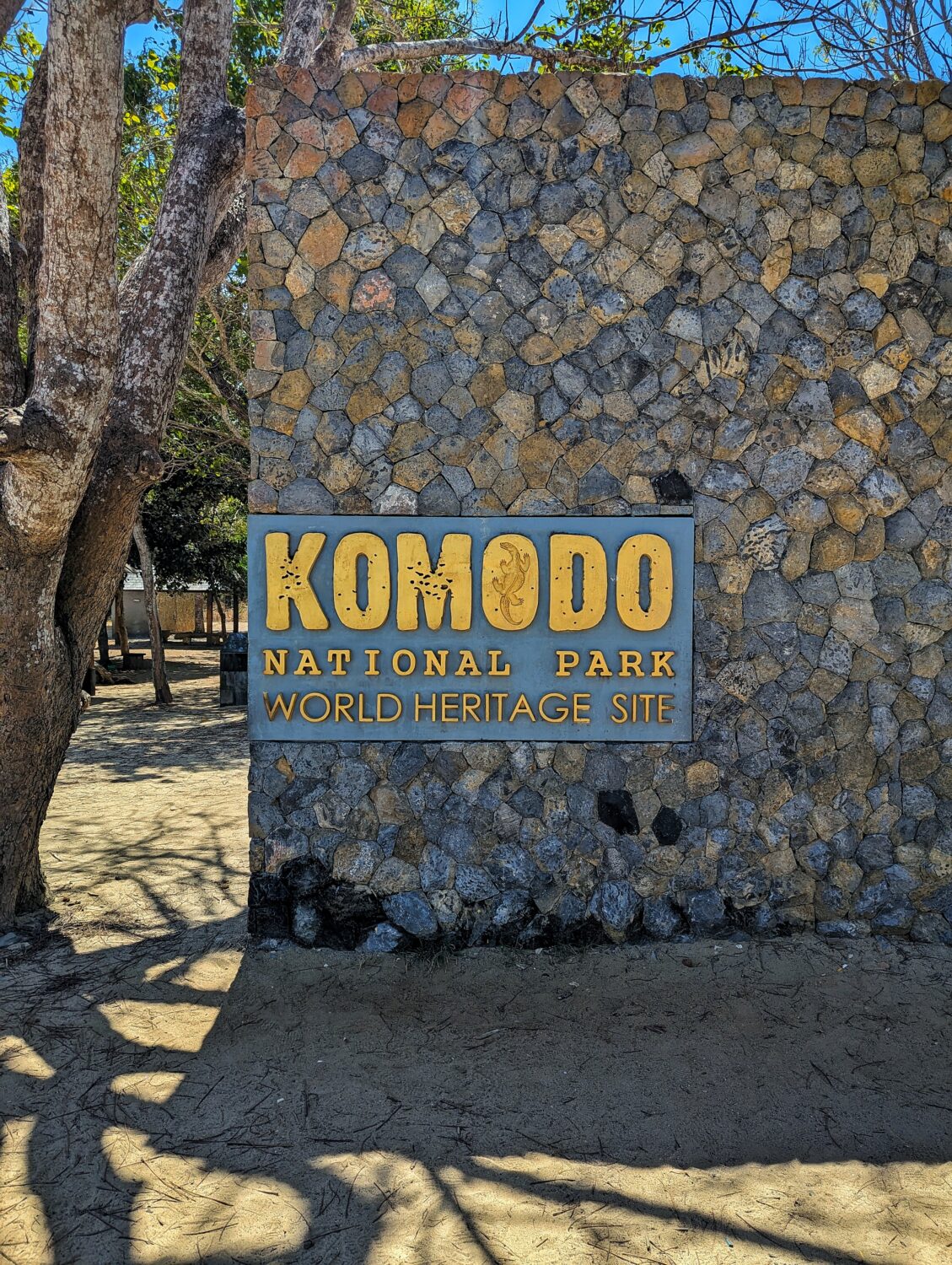
One of the best places in the world to go snorkeling or diving in Indonesia, is Komodo National Park. Every adventure starts from Labuan Bajo.
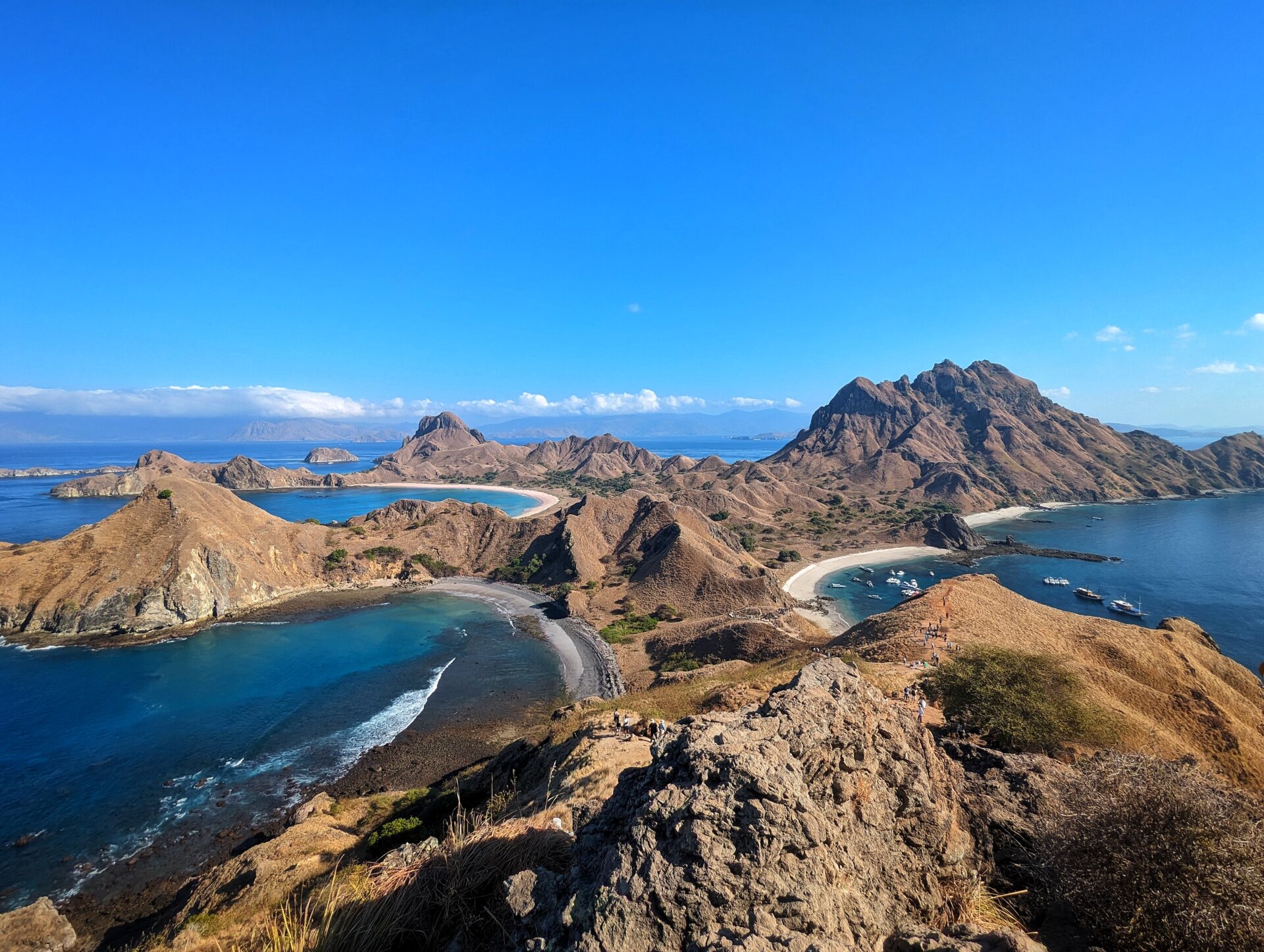
Some of the best snorkeling sites in the park, which you’ll visit with a day trip, are without a doubt pink beach from Padar island and manta point. In the shallow waters you can see turtles, diverse reef fish and even reef sharks if you’re lucky.
Some parts of the reef have suffered damage and coral bleaching due to severe human activity. This highlights the need for responsible snorkeling practices to help preserve these ecosystems.Many day trips also include a visit to Komodo Island, where you can catch a glimpse of the famous Komodo dragons. We personally preferred Rinca island above Komodo since you could see the conservation project was highlighted here and it seemed a much more natural setting.

4. Sulawesi
Bunaken National Park, situated in the north of Sulawesi, is considered the best snorkeling spot of the island. The park has beautiful coral gardens and boasts an incredible population of green turtles!
5. Alor
The best snorkeling conditions in Alor are between April and November. But if you’re looking for a truly unforgettable moment, plan your visit between September and October to witness the incredible migration of whale sharks!
6. Raja Ampat
Raja Ampat has over 1500 small islands and has one of the best spots for snorkeling and diving in Indonesia. Interestingly, the best season to dive (October to April) is opposite to the prime season for many other snorkeling spots in Indonesia.
The waters of Raja Ampat serve as a sanctuary for manta rays and whale sharks, which migrate here when temperatures drop in other parts of Indonesia.
There are no direct flights to the archipelago. Travelers typically fly into Sorong via larger hubs like Bali or Sulawesi, followed by a ferry or speedboat to the islands. The remoteness of Raja Ampat has been a blessing for its marine ecosystems!
What can YOU do to preserve the marine ecosystem on your next snorkel trip?
1.Reef safe sunscreen
Even if you don’t go straight into the water after applying sunscreen, it eventually ends up there, affecting marine life. Chemical sunscreens have oxybenzone and octinoxate in it and are known to be very harmful.
The chemicals in sunscreens are known to develop cancer in marine mammals and reduce fertility in female fish. These chemicals can even cause fish to change gender, disrupting populations balances!
Even at small concentrations, sunscreen can cause coral bleaching. Opt for mineral-based sunscreens without toxic UV blockers for better health and eco-friendliness.
2. Avoid single use plastic
Overtourism, especially in Southeast Asia, contributes to excessive single-use plastics, including straws and cups used at beach parties. These can harm marine life when they inevitably end up in the water, so carry reusable items instead.
3. Don’t leave waste on the beach
Avoid leaving anything other than your footprints to keep beaches clean and enjoyable for others.
4. Participate in community projects
If you want to make an impact while traveling, consider volunteering locally! There are a lot of initiatives out there if you do a quick search online.
5. Booking with a green fins member
Select snorkeling or diving tours from responsible tour operators, holding a Green Fins Membership. This indicates they practice environmentally friendly tourism, protecting coral reefs and marine life while offering responsible tours.
It doesn’t mean other organizations are bad but it’s just important to do a bit of research before you book a tour.
6. Don’t touch corals
While snorkeling, resist the urge to touch anything, especially corals and other rare species. Corals are delicate, and any breakage can severely impact their health.
With this in mind, we hope you are ready to explore the underwater world… while taking care of it!
Ready to even know more about mindful travel and how you can take small steps to help our planet? Download our free guide with sustainable travel tips !