
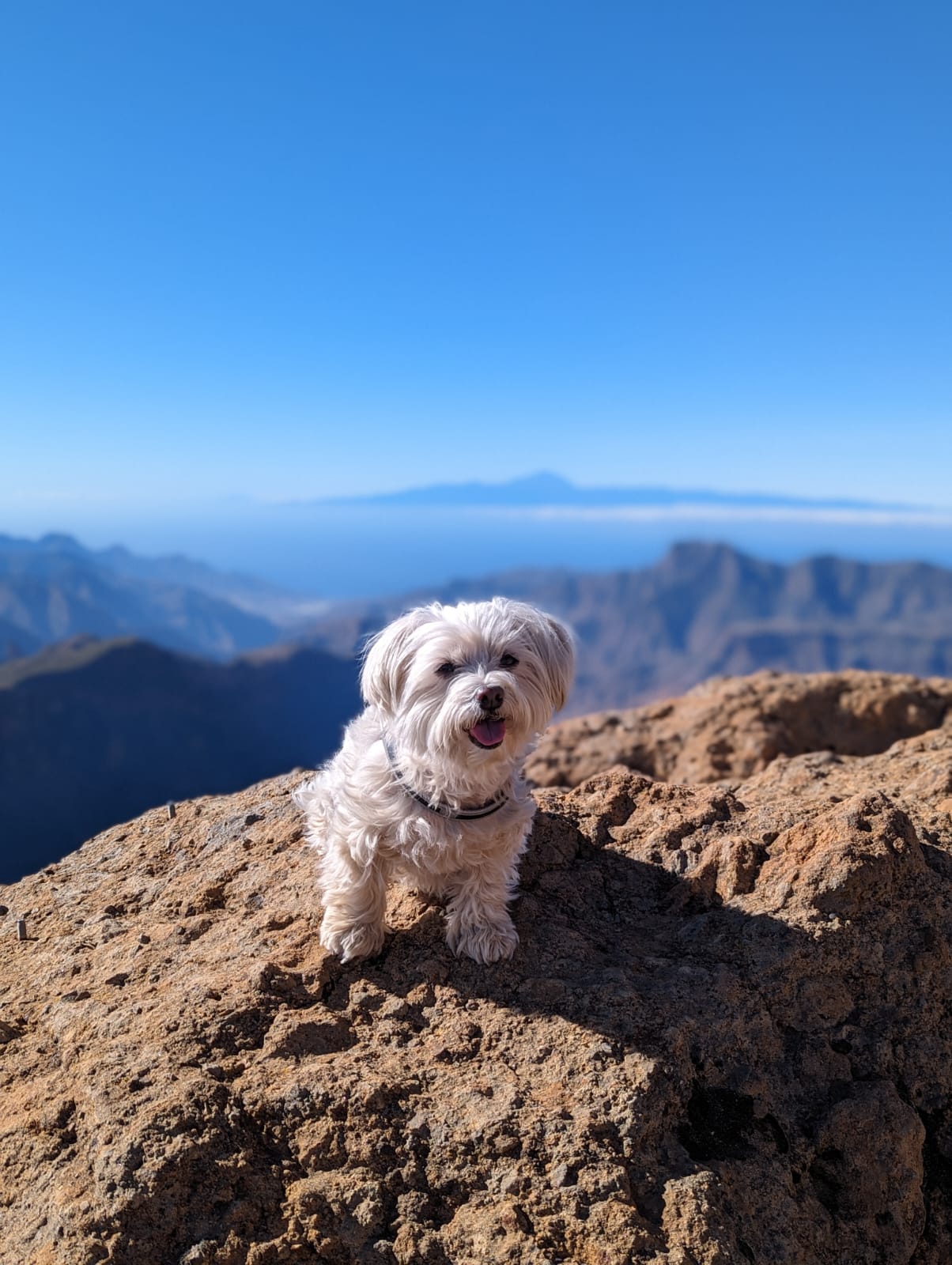
Ready to create unforgettable memories with your four-legged best friend? But first, there’s that flight to get through. And as much as we’d love to deny it, flying is stressful for dogs, even the well-trained ones.
So, how can we make the journey as comfortable as possible for them? By coming prepared! The more we anticipate their needs, the more we can reassure them.
Let’s dive into the essentials to keep your pup at ease during this trip.
This post may contain affiliate links which means we may receive a commission at no cost to you if you make a purchase through a link.
Must knows before taking your dog in cabin
Before we explain the whole flying process, keep in mind that:
🐾 Your dog (including the carrier) must weigh no more than 8 kg to fly in the cabin. Any heavier, and they’ll be sent to cargo!
🐾 Not all airlines allow dogs in the cabin. In Europe, KLM, TUI, and Brussels Airlines do. Pet tickets cost €50-€80 one way. This is ridiculous if you ask me, considering they count as “hand luggage” and have to stay under your seat!
🐾 Some airlines let you book your dog online as an “extra” item, but others require you to call in advance. Only two dogs per flight are allowed in the cabin, so always check availability before booking!
🐾 Be mindful of flight times. Always factor in the check-in and security process which adds extra hours to your journey. Personally, I never book flights longer than five hours because, with check-in and waiting time, that means my dog could go nearly eight hours without a bathroom break.
🐾Avoid stop-over flights. This is unnecessary stress for your dog.

The type of carrier
Airlines have strict size requirements for dog carriers. The carrier must have ventilation on all four sides and fit under the seat. The dog must be able to completely lay down in it. Check your airline’s dimensions, but overall it’s 40 x 40 x 22cm.
My go-to carrier recommendation? The Tarig backpack (small sized). It’s airline-approved, works as both a carrier and a dog hiking backpack, and is super comfortable for both you and your pup.
Make sure your dog is already used to their carrier before the flight. It should feel like a safe space to them, not just a travel box.
 Your dog carrier does NOT count as your personal hand luggage. You’ve paid for your dog’s ticket, so you can still bring a personal item and hand luggage. Also, fanny packs don’t count as a personal item.

Dog flying checklist
Every dog is different, but here’s my must-pack list:
- Sleeping mat (roll-up for easy packing)
- Treats/snacks
- Two favorite toys
- Mini first-aid kit
- Pet passport
- Travel water bottle
- Long leash
- Rain jacket
- Kayak jacket (for water adventures!)
- Food supply
- Dog shampoo
- Mini hair dryer (for long-haired breeds)
- Poop bags
- Flex leash
- ID tag with contact number
- Towel
- Brush
- Chew bones
- Small umbrella (for hot beach days)
- Car seat belt for road trips
If your dog needs a special diet, consider checking a vet at your destination for local options instead of packing everything. For 3 weeks, we put our dog’s food into the hold luggage, however, if we go for a longer period of time, I just take two weeks worth of food with me and buy locally.
Day of the flight: step-by-step guide
- Check-in procedure
Before Leaving for the Airport: Make sure your pup gets a good meal and a long walk.
At the Airport: Don’t rush through security! Stay in the check-in area for as long as possible so your dog has time for a final potty break. We usually wait until 30-40 minutes before boarding before heading to security.
Check-In: Even if you have only carry-on luggage, you must check in at the counter. They’ll check your dog’s passport and make you sign paperwork releasing them from liability.
2. Security screening with a dog
At the scanner, you’ll carry your dog in your arms while their leash and collar go through the machine. It’s as simple as that.
3. Boarding & takeoff
🐾 Keep your dog out of the carrier until the very last minute. Give them freedom while they still have it!
🐾 No more water right before boarding, but a treat can help calm them.
🐾 When you line up for boarding, zip up the carrier.
🐾 Place the carrier under the seat in front of you but keep an eye on them.
🐾 Comfort them by placing a hand inside—but avoid baby-talking or over-reassuring them. Act normal, so they stay calm.
Takeoff Tip: This is the most stressful moment for most dogs. The sound of the engine, the pressure change… It’s a lot! As the engines start, throw a handful of treats into the carrier. This distracts them and makes takeoff a more positive experience.
During the Flight
Rules vary by airline. Some allow you to put the carrier on your lap and unzip one side (as long as your dog stays inside). Others are stricter. I always discreetly unzip the window facing side (you’ll always have a window seat with a dog) and shield it with a towel.
Overheating Warning: Because of stress, your dog might get warm inside the carrier, even with proper ventilation. Every 15 minutes, check your dog’s comfort by touching inside the carrier. If they seem too hot, offer a small sip of water.

Landing & after the flight
🐾 As descent starts, give another handful of treats to distract them.
🐾 Once you’re off the plane, head straight outside for a potty break.
🐾 Give them fresh water and finally let them stretch their legs.
By Day 2, they’ll have forgotten all about the stress and will be ready to enjoy their adventure with you! 😊
Final thoughts: is it worth flying with your dog in cabin?
If you bring your dog on a flight, stay at least 10 days at your destination. It’s simply not worth the stress for a weekend trip.
Flying is tough on dogs. Never, EVER fly with brachycephalic (flat-faced) breeds like pugs or French bulldogs. They struggle with breathing and could face serious health risks or even death on a flight.
Traveling with your dog requires extra effort, but with the right preparation, you can make the journey smoother for them. And once you arrive? It’s all worth it. Seeing them explore new places with you is priceless.