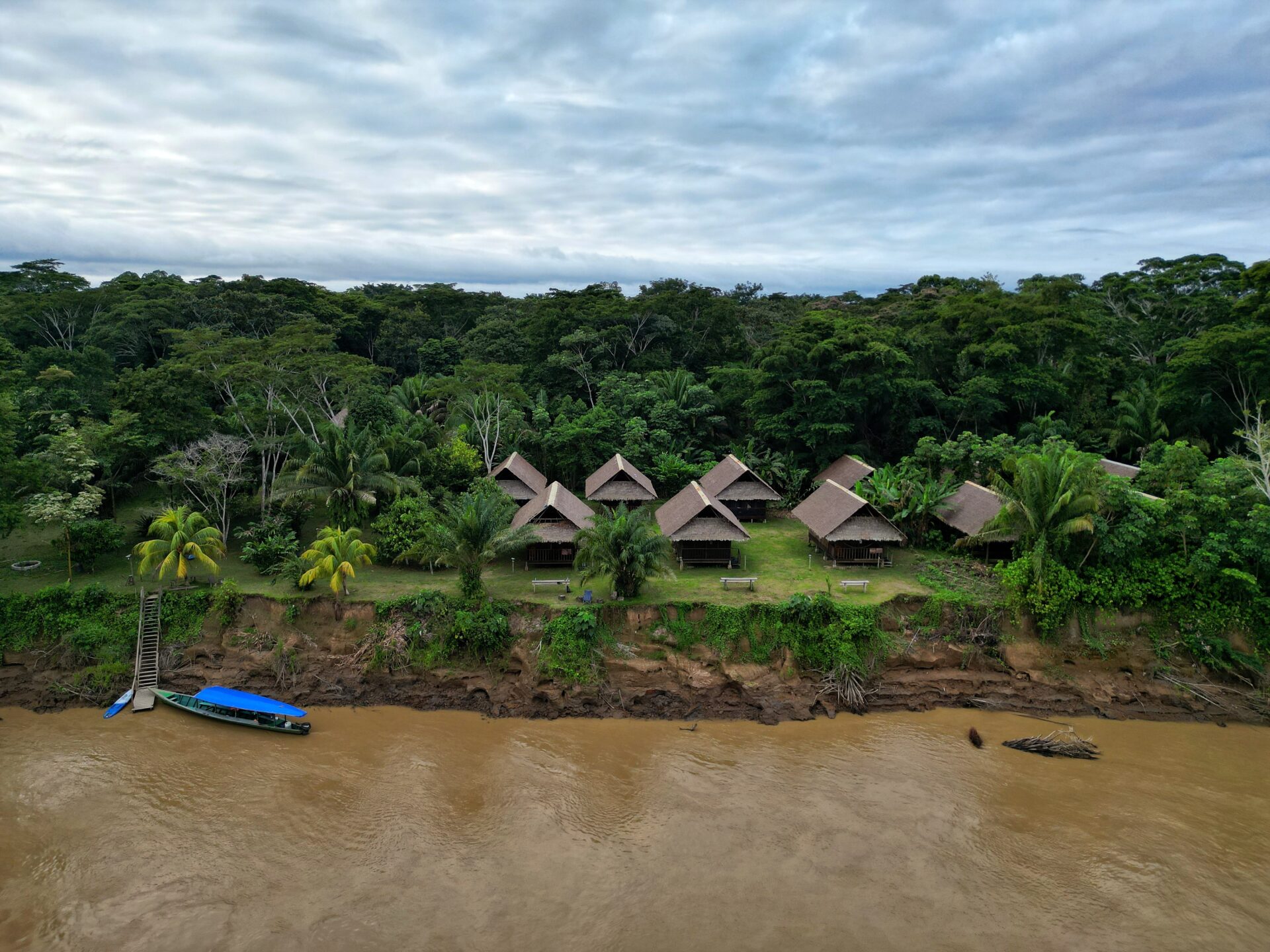

So, you’ve decided to embrace the trending backpack lifestyle and plunge into the vibrant chaos of South East Asia? Congratulations! Once you’ve tasted the freedom and adventure this region offers, there’s no turning back. Prepare to be amazed by people who radiate happiness with practically nothing. It’s a game-changer, making you rethink life and appreciate the genuine gestures and openness of those you meet.
Isn’t that what travel is all about? It’s not just ticking off a checklist of places; it’s about discovering something beyond the rush of our everyday lives. It’s about forming connections with strangers that feel like lifelong friendships after just one night. If you’re up for this kind of adventure, let’s dive into the nitty-gritty and South East Asia backpacking guide for first timers!
This post may contain affiliate links which means we may receive a commission at no cost to you if you make a purchase through a link.
Things to consider before starting your South East Asia Backpacking adventure
Passports and visa in South East Asia
Picture this: you’ve endured a nearly 20-hour flight, excitement bubbling within, only to find yourself stranded at the country’s doorstep because your passport or visa is not valid. Asian countries take this matter seriously – no exceptions. What do we do in order to avoid these kind of situations? You check your passport and visa requirements before hopping on the plane!
First, check the validity of your international passport. How long is it still valid? And by valid, I mean make sure it’s got a solid six months left on the clock from your arrival date!

After ensuring your passport is ready for action, shift your focus to visa requirements. How long can you stay in the country? Generally speaking this ranges from 30 to 90 days. Some places offer visa-on-arrival, but in order to skip the line, opt for an online application. And please, print it out! Border controls have a knack for appearing before the Wi-Fi zones, and your online visa might decide to not load at that time.
Sometimes, the initial purchase is limited to a 30-day pass, leaving the option to extend once you’re already in the country.
If you’re border-hopping during your trip, also check whether the destinations demand proof that you’ll bid farewell after your visit. We once had to show our flight confirmation to Indonesia before being allowed into Malaysia.
Once you’re on the ground, everything else tends to fall into place but make sure you dive into this as the mystery and adventure you want is in the country you visit, not your travel documents!
Vaccinations Southeast Asia
Sort out your vaccination requirements for your destination in advance! If you’re heading to a malaria-prone area, consider discussing the use of malaria pills with your doctor to get personalized advice. Your well-being always remains key while traveling

Travel insurance
While it might be a personal subject, having a comprehensive travel insurance, which often costs only a few hundred euros, can potentially save you thousands in unforeseen circumstances. Make sure your insurance covers repatriation for both yourself and your family in case of accidents or unfortunate events during your travels.
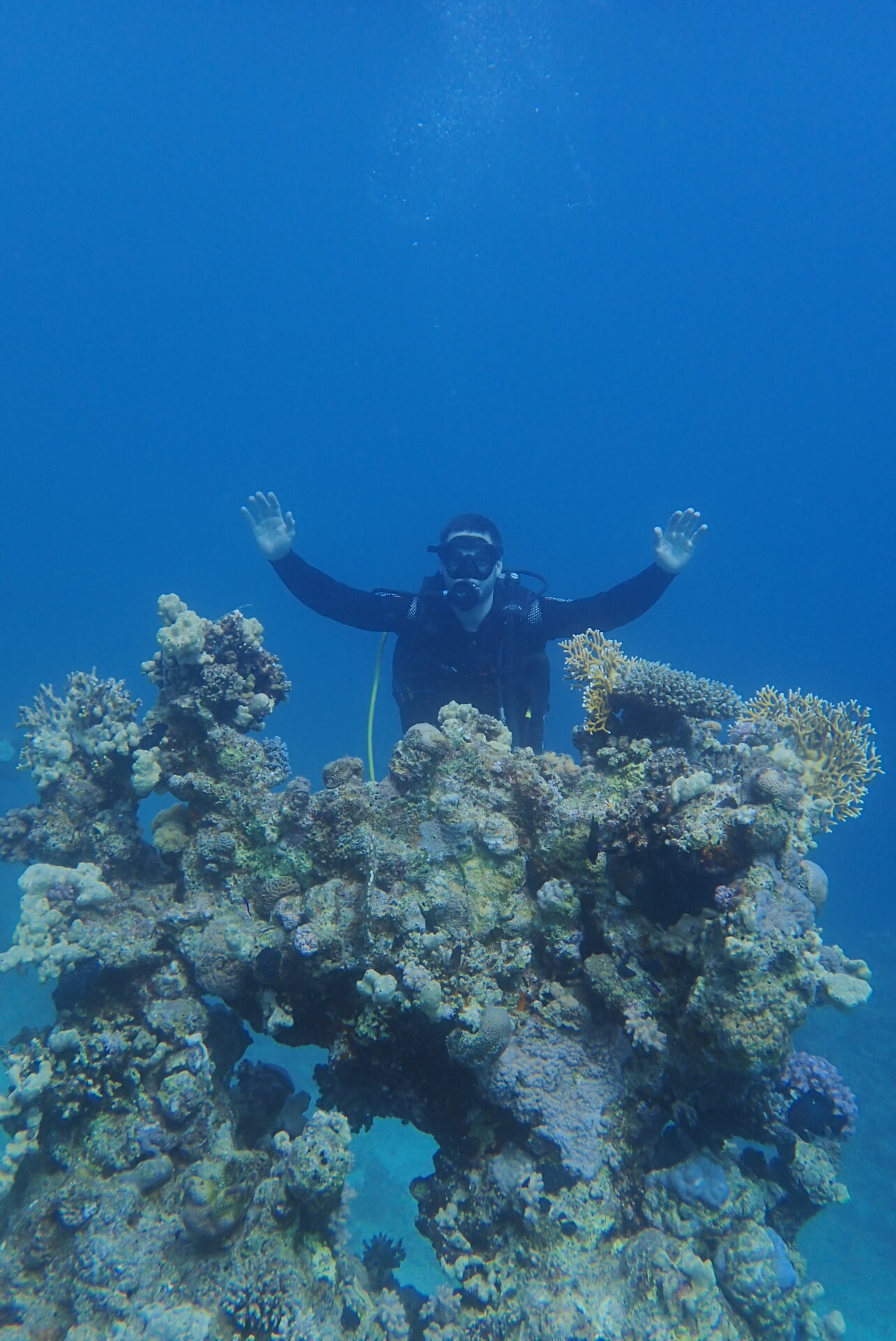
If you want to dive in South East Asia, it’s often obliged to give your insurance details to for example diving centers, or purchase coverage through them for your diving trips.
Payments abroad: A Wise Travel Card
The not so charming sidekick of South East Asian adventures? The relentless nibbling away of your precious euros by the credit card gremlins. Every transfer, withdrawal and restaurant payments comes with a few extra percentages. A few percent here, a few percent there. all euros that start to add up and could have been used for something else. Especially with a bigger excursion you would need to pay, this is a lot of thrown away money. BUT, i present to you, the hero of the financial travel world: Wise.
When you sign up for this online banking service, they’ll send you a sleek bank card right to your doorstep. One of the perks is that you won’t have to deal with extra charges like you would with traditional credit cards. Money transfers also come without the hefty fees associated with credit cards.

Here’s how it works: you estimate your travel expenses and load that specific amount into Wise. The beauty of this online bank is that you can opt to only load the amount you plan to use during your travels. This approach acts as a smart shield against potential hacking disasters that could jeopardize your credit card. Moreover, if you encounter any payment issues, Wise’s 24/7 availability beats waiting for your home bank’s standard opening hours, especially when dealing with time zone differences.
But that’s not all. With Wise, you can shuffle your money in your national currency into 40 different currencies. Wise automatically converts the remaining money into the needed currency.
Your Wise travel card will become your best friend during your adventures abroad!
Packing list South East Asia: essential gadgets
When you think about packing, the first thing what comes to mind is what clothes to pack. However, we thought it’s also important to highlight the most important gadgets to bring on such an adventure!
- good flashlights: lluminate the unknown as you explore caves or conquer a sunrise hike. If you’re a bit adventurous, you will most certainly need this.
- waterproof phonecases or a mini drybag: South East Asia has so many beautiful coastal places and waterfalls that it is advisable to protect your cell phone from the water with a waterproof phone case or compact mini drybag.
- universal adaptor: A universal adaptor ensures your devices are always ready for the next adventure, no matter where it takes you.
- safety waste band: Keep your cash secure with a discreet safety waistband.
- a smaller drybag in backpack format: this 15-liter backpack is perfect for safeguarding essentials like water bottles, towels, and your camera. Shield your gear from rainforest downpours or challenging boat transfers between islands. The backpack is the perfect size to bring with you on the plane as an extra personal item.
- sarong: A sarong is a versatile travel companion. Beyond its beach utility, it can serve as a substitute for long pants required for temple visits. Plus, it doubles as a towel for those unexpected beach sessions.
Thinking of taking it one step further? Try to travel with carry-on only luggage. This minimalistic way of traveling has all the advantages of skipping airport lines, never waiting for your bag at the conveyor, and not being afraid to lose your belongings.
Planning your South East Asia backpacking route
Time for the big question now: which countries are you plotting to conquer? Now, there’s a classic route, famously known as the Banana Pancake Trail.
which covers parts of Vietnam, Laos, Cambodja and Thailand within 3 months. If you think of a rough itinerary, it would be nice to know how long exactly you intent to travel. Do you want to cover lots of ground in a short amount of time or do you lean towards the unhurried slowmad approach?
South East Asia is the champion of spontaneity, the realm where you can leave everything blank until the last minute. Yet, if time is a luxury and you’re squeezing this adventure into a few precious weeks, a broad route idea might come in handy. Not only does it save you precious time, but it also gives you a chance to think about traversing from one place to another. Normally this goes fairly easy in South East Asia, however, there are some remote areas where options like Grab or 12GoAsia are simply non-existent.
So, you’ve got your passport, visas, vaccinations, and a rough plan simmering. It’s time to take off on what promises to be one of the most life-changing adventures of a lifetime. South East Asia, here you come!