
With the rise of social media platforms like Instagram, more travelers are inspired to visit far-flung destinations, often places they previously knew little about.
And thanks to our convenient and relatively cheap air traffic system, travel distances don’t stop people from going to once undiscovered natural areas.
But consequences of unsustainable mass tourism are rising and result in extreme environmental degradation and contributions to climate change.
This post may contain affiliate links which means we may receive a commission at no cost to you if you make a purchase through a link.
Sustainable tourism
Sustainable tourism is a broad concept that includes all types of travel done responsibly. It aims to minimize environmental impact, respect local cultures, and support local economies.
Ecotourism falls within this framework, but focuses more specifically on nature-based travel and conservation. Because the two share many of the same values, and to give a clearer understanding of what sustainable tourism looks like in practice, we’ll take a closer look at the principles of ecotourism.
What is ecotourism
Ecotourism is a subset of sustainable tourism and is about making mindful choices that collectively contribute to preserving our natural environments or, at the very least, minimizing negative impacts on our planet.
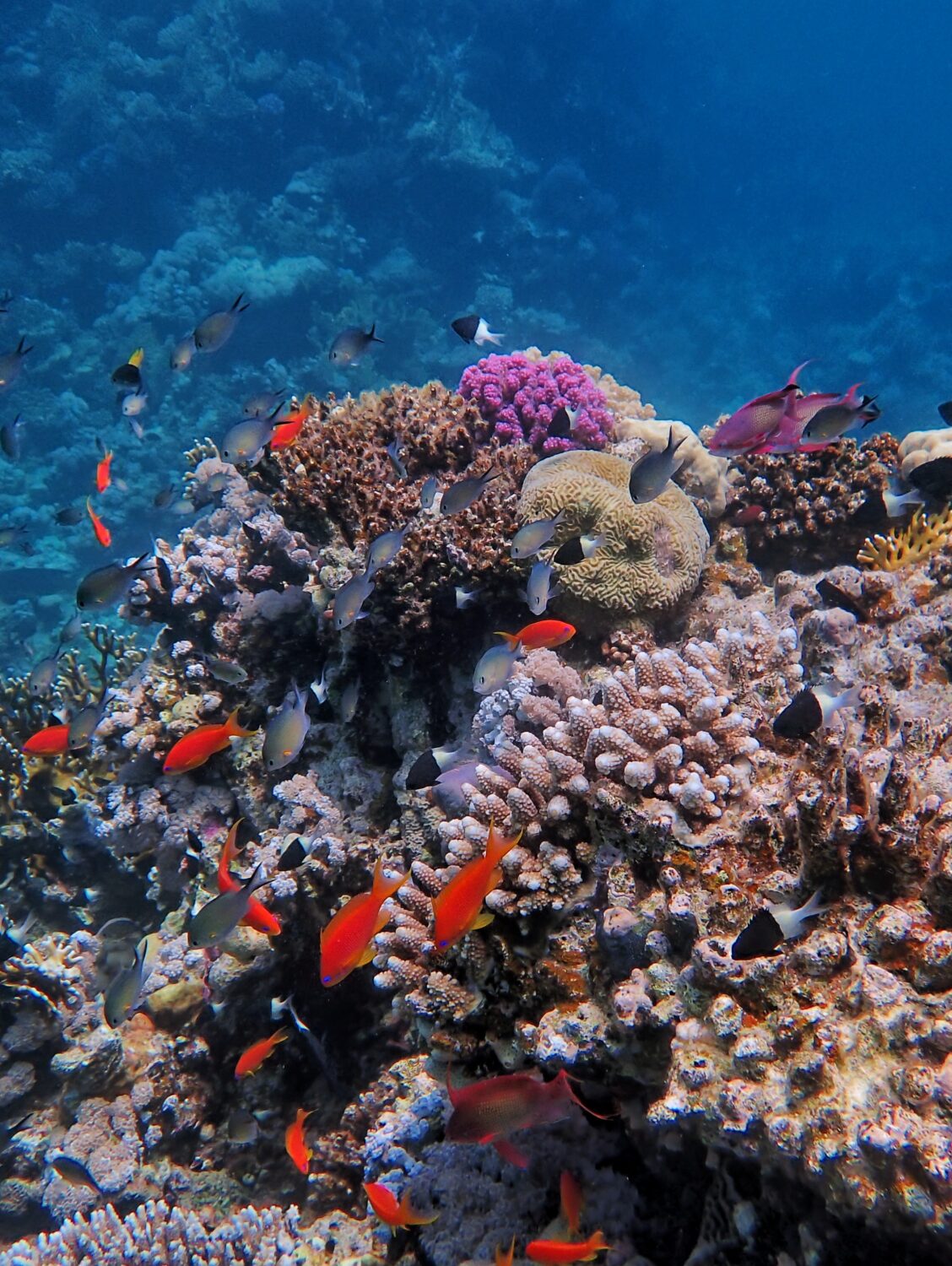
Mass tourism has taken a toll on the very landscapes and ecosystems we love to explore. Large groups of tourists often damage coral reefs while scuba diving, unaware that 25% of marine life depends on these fragile habitats. Such destruction can have disastrous consequences for biodiversity.
Ecotourism is a form of tourism in which travelers are more aware of their impact on natural ecosystems and the well-being of local people. In many parts of the world, flying is as cheap as taking a bus, prompting the question: why choose the less convenient option? The reality is that our current consumption patterns are unsustainable.
Principles of ecotourism
Nature-based tourism offers best practices to explore the world without causing significant harm to our planet. Responsible and sustainable tourism encompasses a broad range of practices but is based on four core principles:
1. Conservation
Conservation efforts focus on preserving natural environments, such as national parks, and protecting their flora and fauna from extinction.
Numerous conservation organizations worldwide engage in activities like raising awareness, educating locals, and studying species behavior. When you visit national parks, rest assured there’s a comprehensive wildlife management strategy behind their preservation.
Local conservation organizations often offer guided tours to provide educational encounters with nature. These tours, such as visits to wildlife sanctuaries, raise awareness among tourists about the importance of not supporting harmful activities like wildlife feeding or taking pictures with elephants.
2. Local cultures
When visiting temples or ruins in another country, you are often stepping into a rich tapestry of history and cultural heritage. Many sites, due to mass tourism, restrict the number of daily visitors to prevent damage from excessive foot traffic.
Cultural heritage isn’t just about buildings; it’s also about understanding the traditional cultures of the places you visit. Always show respect for local people and their customs and approach new experiences with an open mind.
3. Community
Travel inevitably brings you into contact with local residents. Often, tourists overlook the daily lives of local residents, especially when tours are operated by large companies like TripAdvisor.
To truly appreciate the authentic culture, consider booking tours with local guides. They can introduce you to the best markets, unique local customs, and the true essence of their community.
For backpackers, community involvement is key to experiencing local cultures authentically. Participating in cultural traditions or accepting invitations to local events, like weddings, can offer unforgettable experiences.
Commerce
Sustainable tourism aims to support local businesses rather than larger companies. By booking tours and activities through local operators, you ensure that more financial benefits stay within the community, providing direct support to local economies.
 Interested in how sustainable tourism could shape your holidays? Read an example of responsible tourism in the Amazon Rainforest here.
How to choose for more responsible and sustainable tourism?
For those who look to minimize their environmental footprint on all aspects of their journey, are sustainable travelers. While it might be tempting to opt for the convenience of air travel over slower alternatives like overnight buses, there are numerous ways to travel more sustainably without drastically altering your travel style. Even small changes can make a big difference.
Here are some examples you can implement during your travels:
1.Choose conscious tour operators
Whenever possible, book with local tour operators instead of large online platforms. Booking directly, especially on the spot, is often cheaper and allows you to negotiate prices. Many travel bloggers also share contacts for local guides or taxi drivers, helping you support small businesses and enjoy a more personal experience.
However, always do your research. Some operators claim to follow ethical practices, especially in wildlife tourism, while still engaging in harmful activities like chasing whales or elephants.
Ask yourself:
- What values does this operator stand for?
- Are there genuine reviews or testimonials?
- Do they hold any certifications or sustainability awards? For example, a Green Fins certification implies that a diving company follows practices to minimize environmental impact on coral reefs during their diving excursions.
2. Respect local culture and customs
Be open-minded and respectful toward local traditions, dress codes, and social etiquette. Learning a few words in the local language and being culturally aware shows respect and enriches your travel experience.

3. Leave No Trace
Avoid leaving any waste behind. Items like plastic bags and cigarette butts can take years to decompose. Thin cans, for instance, can take up to 200 years.
4. Avoid single use plastics
Beyond just leaving no trace, try to reduce your plastic use from the start. Bring reusable items like a water bottle and shopping bag so you don’t have to rely on single-use plastics during your trip.
Also, try to avoid using the small, disposable toiletries provided in hotels. Instead, bring your own plastic-free and eco-friendly shampoo, conditioner, and soap bars. These simple swaps can significantly cut down on waste and help protect the places you’re visiting.
5. Use public transport
If time permits, opt for buses, trains, or other forms of public transportation instead of taxis or flights. Immersing yourself in the local culture by traveling this way can be incredibly rewarding and often reveals hidden gems if you ask locals about it.
6. Travel with purpose
Want to go beyond the “leave nothing but footprints” mindset and actually leave nature better than you found it? Many local organizations run conservation activities like beach clean-ups, reforestation projects, or beach patrols for turtle conservation, and they often welcome travelers to join in.
You can also volunteer for a longer term like teaching in schools, supporting agroforestry initiatives, or helping in wildlife sanctuaries. Just be sure to do your research carefully, as many programs aren’t what they claim to be. Look for transparent organizations with a proven positive impact on the local community and wildlife.
7. Be water and energy conscious
In many destinations, and especially on islands, water and energy are limited resources. While tourists may not always feel the effects, local communities often do. Help conserve these resources by turning off lights, air conditioning, and electronics when not in use. Take shorter showers, and avoid requesting fresh towels or linen every day.
8. Avoid animal exploitation
Unfortunately, wildlife tourism has led to animal exploitation in many places. While it’s often easy to recognize unethical practices, such as animals kept in cages or forced to perform, truly ethical wildlife experiences can be much harder to identify than you might expect.
A big part of the challenge is that different cultures have varying views on animal welfare. Many local communities sincerely believe their practices are ethical, even when those activities may unintentionally cause harm. For example, tourists taking part in washing elephants may seem harmless from a local perspective, but this can actually cause significant stress to the animals.
Avoid the obvious red flags and choose responsible wildlife encounters on your holidays that prioritize animal welfare and conservation.

9. Buy from local shops
Support local markets for buying your souvenirs rather than larger tourist shops. This ensures a fairer price and directly benefits local families.
10. Don’t take natural souvenirs
Leave shells, stones, and other items in their natural environment. Instead, buy locally-made souvenirs that support artisans and the local economy.
11. Travel off season
Try to avoid peak travel periods. Visiting during the off-season helps reduce strain on popular destinations, gives nature and heritage sites time to recover, and often means fewer crowds and more affordable prices.
12. Slow travel
Slow travel is a growing trend that encourages you to travel at a relaxed pace. Instead of rushing from place to place, spend more time in each destination and avoid frequent flights. This approach lets you go beyond the typical tourist spots, connect more deeply with local people, and discover hidden gems along the way.
13. Stay local
When you opt to stay with a local family, you’ll get to know the country in a very different way. It’s a unique opportunity to dive into the country’s culture. Chances are you get invited to a family dinner or local events as well. An extra plus is that you directly support the local family rather than a bigger booking platform.
Choose locally owned guesthouses or homestays instead of international hotel chains. Staying with a local family gives you an authentic insight into their culture, traditions, and way of life, and your money directly supports the community.
14. Eat local
Choosing to eat local food helps support nearby farmers, producers, and small businesses, reducing the environmental impact caused by transporting food over long distances. It also gives you a more authentic taste of the culture and helps preserve traditional recipes and culinary heritage, making your travel experience richer and more sustainable.
15. Protect marine life
When diving or snorkeling, be mindful not to touch aquatic life or coral reefs. Use reef-safe sunscreen (link), and avoid entering the water within 30 minutes of application to prevent it from washing off into the ocean.
By making mindful choices, we can help support ethical tourism practices that promote animal welfare and environmental sustainability. Let’s travel responsibly and ensure that future generations can enjoy the beauty of our planet’s diverse ecosystems as well.
Ecotourism operators and useful apps for your next trip!
- Better Places is a Dutch travel company that collaborates with local tour guides and promotes animal-friendly tourist activities. They donate a portion of their profits to support local communities. Better Places specializes in private holidays, providing travelers with authentic experiences by staying with locals which can only be done within smaller groups.
- Lokafy is an app that connects travelers with local guides, allowing for a personalized exploration of cities. Locals share insider knowledge on the best places to visit and eat, enriching your travel experience while supporting the community.
- Eatwith is an app that offers dining experiences with local families. By sharing a meal with locals, travelers can immerse themselves in the culture and support local hosts.
- Ecobnb offers accommodation with zero waste policy and is located conveniently without having to use the car.
- WWOOF is a personal favorite for if you’re a longtime traveler. You can stay on an organic farm and help your host on his farm. it’s basically a workaway but with chores that benefit nature.